Time in range is the percentage of the day your glucose stays inside a target range, usually 70 to 180 mg/dL (3.9 to 10.0 mmol/L). It's one of the main numbers from a CGM like the FreeStyle Libre, because it shows how long you were in range, not just your average.
An international consensus defined how to measure it in 2019, and that's the reference most apps and doctors use. This guide explains what the number means, the reference targets and where to see yours.
What is time in range?
Time in range (TIR) is the share of your sensor readings that fall inside a target range over a period, usually the last 14 days. The International Consensus on Time in Range defines that range as 70 to 180 mg/dL (3.9 to 10.0 mmol/L).
If your time in range is 70%, your glucose was in range for about 17 of every 24 hours. The rest of the time was split between below range and above range.
Why does time in range matter?
Because it shows something the average hides: how long you actually stayed in range. Two people can have the same average, one with steady glucose and the other going up and down all day.
The consensus also notes that each 5% increase in time in range is associated with clinically significant benefits for people with type 1 or type 2 diabetes.
GlucoLive puts it the same way on the screen that explains the number: time in range "answers a question the average cannot: how long you actually stayed in range, not just where the centre landed."
What is a good time in range?
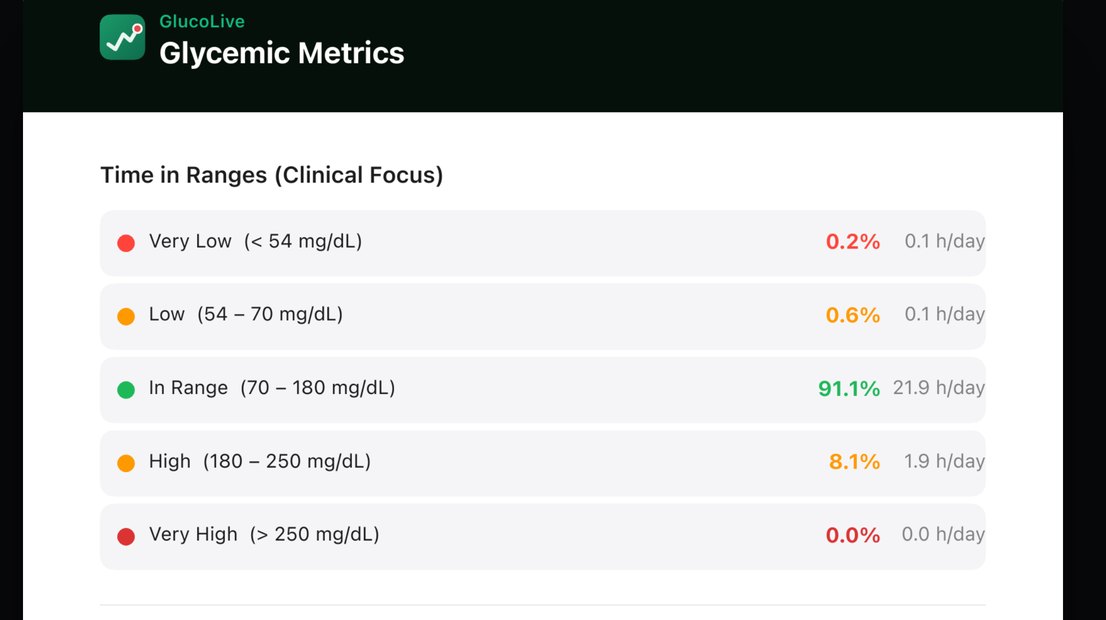
For many adults with type 1 or type 2 diabetes, the 2019 consensus recommends more than 70% of the time in range, which is more than 16 hours and 48 minutes a day. For older adults and people at higher risk, the reference is more than 50%.
These are reference points, not personal targets. Your doctor sets the goal that's right for you, and pregnancy uses a different, tighter range.
What about time below and above range?
The consensus looks at both sides of the range, because time spent low and time spent high mean different things. For many adults with type 1 or type 2 diabetes, it recommends:
| Range | Glucose | Reference target |
|---|---|---|
| Very low | Below 54 mg/dL (3.0 mmol/L) | Less than 1% |
| Low | Below 70 mg/dL (3.9 mmol/L) | Less than 4% |
| In range | 70 to 180 mg/dL (3.9 to 10.0 mmol/L) | More than 70% |
| High | Above 180 mg/dL (10.0 mmol/L) | Less than 25% |
| Very high | Above 250 mg/dL (13.9 mmol/L) | Less than 5% |
Source: International Consensus on Time in Range, 2019, for type 1 and type 2 diabetes. Older or high-risk adults and pregnancy have different references.
How much sensor data do you need?
At least 14 days, with the sensor active about 70% of the time. The consensus recommends 14 days of data and 70% of data captured, because that's what reflects your usual weeks.
With fewer days, one good or bad week can swing the number a lot. That's why reports usually look back 14, 30 or 90 days.
Is time in range better than A1C?
They answer different questions. A1C is a lab test that reflects about 3 months of glucose, while time in range shows how your days actually went, including highs and lows that an average can hide.
Doctors often look at both, together with GMI, the number your sensor calculates on the A1C scale. Our guide to GMI vs A1C explains why those two don't always match.
Where can I see my time in range?
In GlucoLive, your time in range is on the main screen, next to your average, variability and GMI, and you can tap it to see what it means. The time below and above range are right there too.
For appointments, the Medical Report in GlucoLive Pro breaks your time down into the five ranges above, for 14, 30 or 90 days, as a PDF you can share.
One App Store review, translated from Portuguese, puts the everyday side of it simply: "Being able to see my glucose results […] on all my devices takes away the burden of having to remember all the time."
GlucoLive uses 70 to 180 mg/dL by default, and you can change the range in Settings to match what your doctor set. Your readings come from your FreeStyle Libre through LibreLinkUp, or from Nightscout.
What else do people ask about time in range?
The most common questions are about mmol/L, changing the range and whether an app can tell you what your target should be. Here are the short answers.
What is time in range in mmol/L?
The same range in other units: 3.9 to 10.0 mmol/L, as the consensus defines it. GlucoLive shows your numbers in mg/dL or mmol/L, as you choose.
Can I change the range in GlucoLive?
Yes. The default is 70 to 180 mg/dL, and you can set your own range in Settings, for example the one your doctor gave you.
Does GlucoLive tell me what my time in range should be?
No. GlucoLive shows the consensus reference and your own numbers, but your goal is set by your doctor. It doesn't recommend treatment.
Does GlucoLive replace my sensor's app?
No. GlucoLive shows your glucose on more screens, but it doesn't replace your sensor's official app or your care team's guidance, and it doesn't recommend doses.
See your glucose on every screen
Download GlucoLive and get 15 days of Pro, with no card and no automatic charge.
Download on the App Store Android: coming soonGlucoLive is for informational monitoring. It does not replace your sensor's official app, certified devices or your care team's guidance, and it does not recommend doses or treatment. GlucoLive is not affiliated with Abbott or Nightscout.
More articles
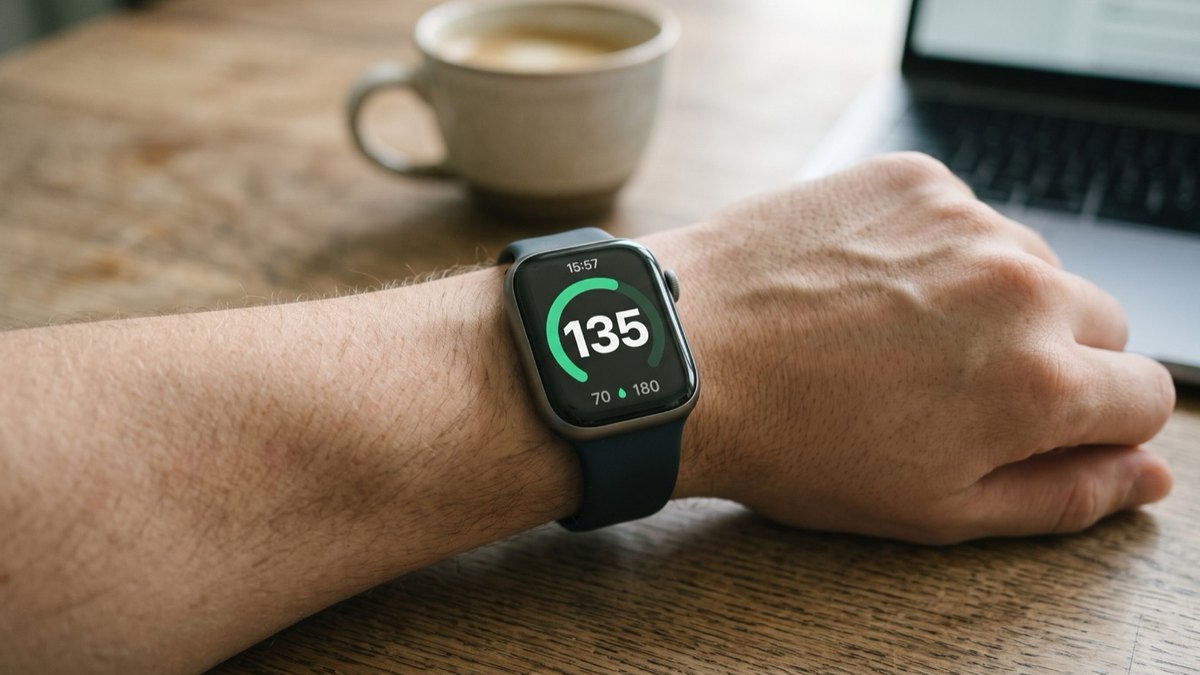 Apple Watch
How to see FreeStyle Libre glucose on Apple Watch
See your Libre reading every time you raise your wrist, on your watch face and in the watch app. Four steps.
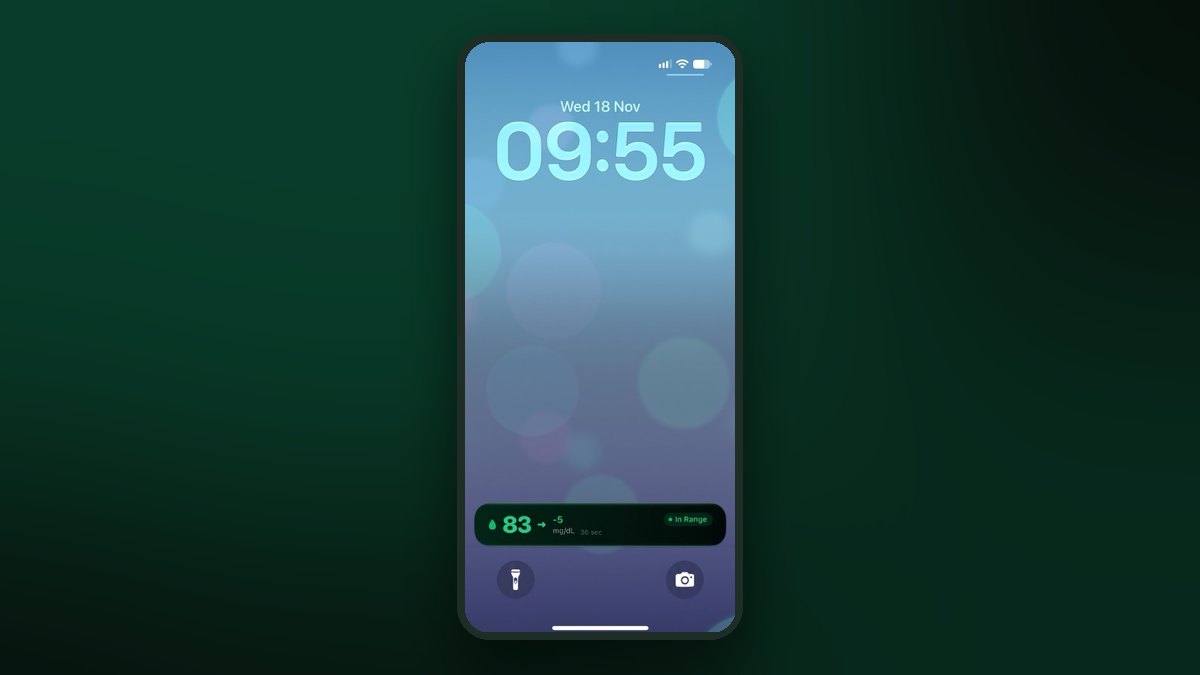 Lock Screen
FreeStyle Libre on the iPhone Lock Screen: widget, Live Activity and StandBy
A Lock Screen widget, a Live Activity, the Dynamic Island and StandBy at night. Step by step for each one.
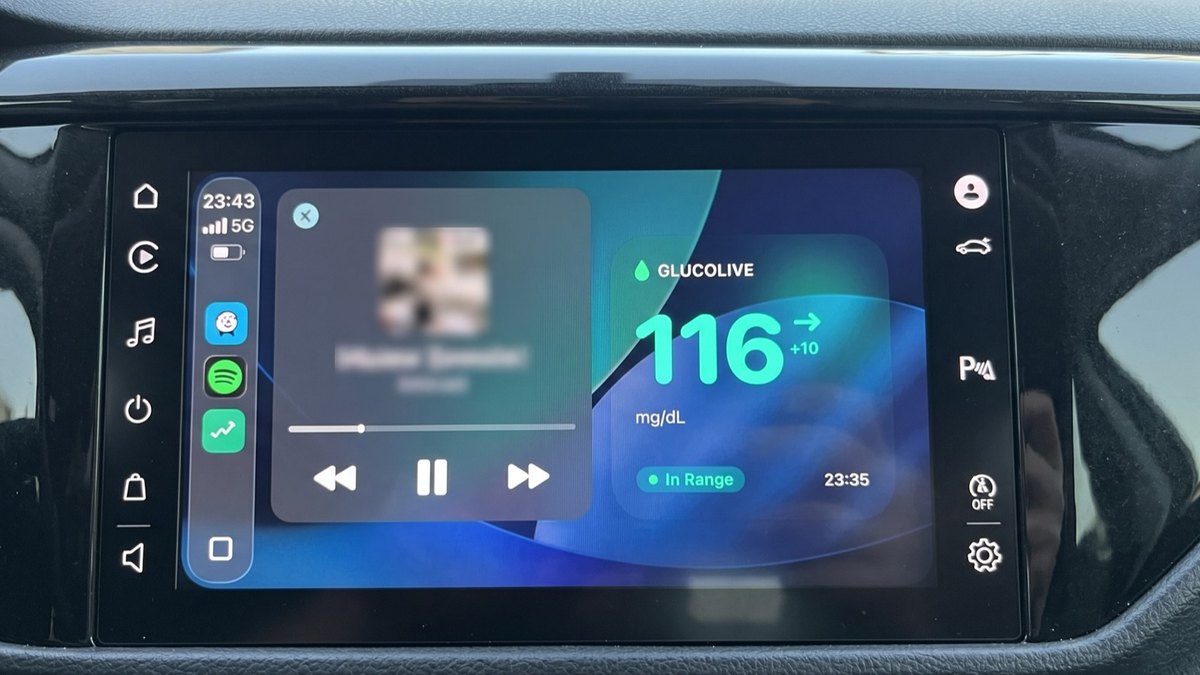 CarPlay
FreeStyle Libre on CarPlay: see your glucose on the car screen
The GlucoLive app, a dashboard widget and the Live Activity next to your map. Set up in three steps.