GMI and A1C are not the same number. A1C (also called HbA1c) is a lab blood test that reflects your average glucose over about the past 3 months; GMI, the glucose management indicator, is calculated from the average of your CGM readings. They often land close, but in the study that created GMI, they differed by half a point or more in 28% of cases.
That gap is normal, and it isn't a sensor error. This guide explains what each number measures, why they drift apart and how to look at both without drawing the wrong conclusion.
What is GMI (glucose management indicator)?
GMI is a number calculated from your sensor's average glucose and shown on the same % scale as A1C. It was introduced in 2018 by Bergenstal and colleagues in Diabetes Care, as the new name to replace "estimated A1C".
The formula is GMI (%) = 3.31 + 0.02392 × your mean glucose in mg/dL. So an average of 154 mg/dL gives a GMI of 7.0%, and an average of about 92 mg/dL gives 5.5%. The name changed on purpose: GMI describes your sensor data, it doesn't predict a lab result.
What is A1C?
A1C is a blood test. According to the NIDDK, part of the US National Institutes of Health, it gives information about your average blood glucose over the past 3 months.
It measures how much glucose is attached to your red blood cells, so anything that changes those cells can move the result. The same NIDDK page explains that eAG (estimated average glucose) is calculated from your A1C and shown in mg/dL, the reverse of what GMI does.
Is GMI the same as A1C?
No. GMI comes from your sensor readings and A1C comes from your blood, so they measure related but different things.
| GMI | A1C (HbA1c) | |
|---|---|---|
| Where it comes from | Your CGM's average glucose | A blood sample in a lab |
| Period | The days of sensor data used, ideally 14 or more | About the past 3 months |
| What changes it | Only your glucose readings | Glucose and anything that affects red blood cells |
| Unit | % (and mmol/mol in some apps) | % or mmol/mol, depending on the lab |
| Replaces the other? | No | No |
Why are my GMI and A1C different?
Because A1C also depends on your red blood cells, and GMI doesn't. In the GMI study, the two were identical in 19% of cases, differed by 0.5 points or more in 28% and by 1 point or more in 3%.
The time window also matters. GMI usually covers the last few weeks of sensor data, while A1C reflects about 3 months, so a recent change in your glucose shows up in GMI first and in A1C later.
The NIDDK lists conditions that can change A1C: anything that changes the life span of red blood cells, such as recent blood loss, sickle cell disease or a transfusion, plus iron-deficiency anemia, kidney failure, liver disease and some hemoglobin variants. The GMI study adds that some people simply attach glucose to their red blood cells differently, and that a recent illness or steroids can push GMI above A1C for a while.
GlucoLive says it plainly on the screen that compares the two: "Differences between the two are common and expected: HbA1c and GMI measure different things. Bring both numbers to your doctor."
How much sensor data does GMI need?
At least 14 days, with the sensor active most of the time. The GMI study recommends at least 10 and preferably 14 or more days, and the International Consensus on Time in Range recommends 14 days with 70% of the data captured.
The consensus explains why: 70% use over the most recent 14 days is what lines up well with 3 months of average glucose. GlucoLive follows the same rule and leaves GMI blank until you have at least 14 days and 70% of sensor time, instead of showing a number that would look more precise than it is.
Which is more accurate, GMI or A1C?
Neither is "more accurate", because they answer different questions. GMI describes the glucose your sensor actually recorded; A1C is a lab measure that also reflects your red blood cells.
That's why one doesn't replace the other. In GlucoLive's words: GMI "is NOT HbA1c and does not replace the lab test." Your doctor uses both, together with the rest of your history.
What does a GMI of 5.5 or 7 mean?
It's your sensor average translated to the A1C scale: a GMI of 7.0% means an average of about 154 mg/dL, and 5.5% means about 92 mg/dL, by the GMI formula. It says nothing on its own about what your target should be.
Targets are individual: the GMI study notes that A1C goals are adjusted to each person, for example in pregnancy. GlucoLive shows the number and where it came from; your doctor tells you what it means for you.
Where can I see GMI and A1C side by side?
In GlucoLive, the HbA1c vs Sensor screen puts your sensor average, your GMI and the HbA1c from your last lab report next to each other, with the history of your HbA1c tests. It's part of GlucoLive Pro.
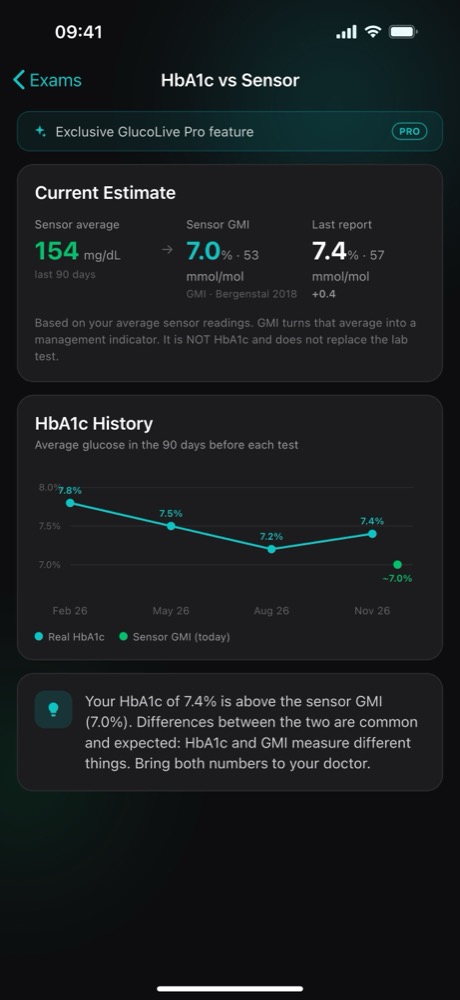
The image is an illustration of the screen, drawn from GlucoLive 5.0 with example values. Your readings come from your sensor through LibreLinkUp, and your HbA1c comes from the lab reports you add to the app; your history and reports stay on your iPhone, as our privacy policy explains.
What else do people ask about GMI and A1C?
The most common questions are about eAG, whether GMI can replace the lab test and whether an app can set a target. Here are the short answers.
What is eAG?
eAG (estimated average glucose) goes the other way: it's calculated from your A1C and shown in mg/dL, as the NIDDK explains. GMI starts from your sensor readings instead.
Can GMI replace my A1C test?
No. GMI describes your sensor data and A1C is a lab test; your care team decides which tests you need and how often.
Does GlucoLive tell me what my GMI or A1C should be?
No. GlucoLive shows your numbers and where they came from, but it doesn't set targets or recommend treatment. That's a conversation with your doctor.
Does GlucoLive replace my sensor's app?
No. GlucoLive shows your glucose on more screens, but it doesn't replace your sensor's official app or your care team's guidance, and it doesn't recommend doses.
See your glucose on every screen
Download GlucoLive and get 15 days of Pro, with no card and no automatic charge.
Download on the App Store Android: coming soonGlucoLive is for informational monitoring. It does not replace your sensor's official app, certified devices or your care team's guidance, and it does not recommend doses or treatment. GlucoLive is not affiliated with Abbott or Nightscout.
More articles
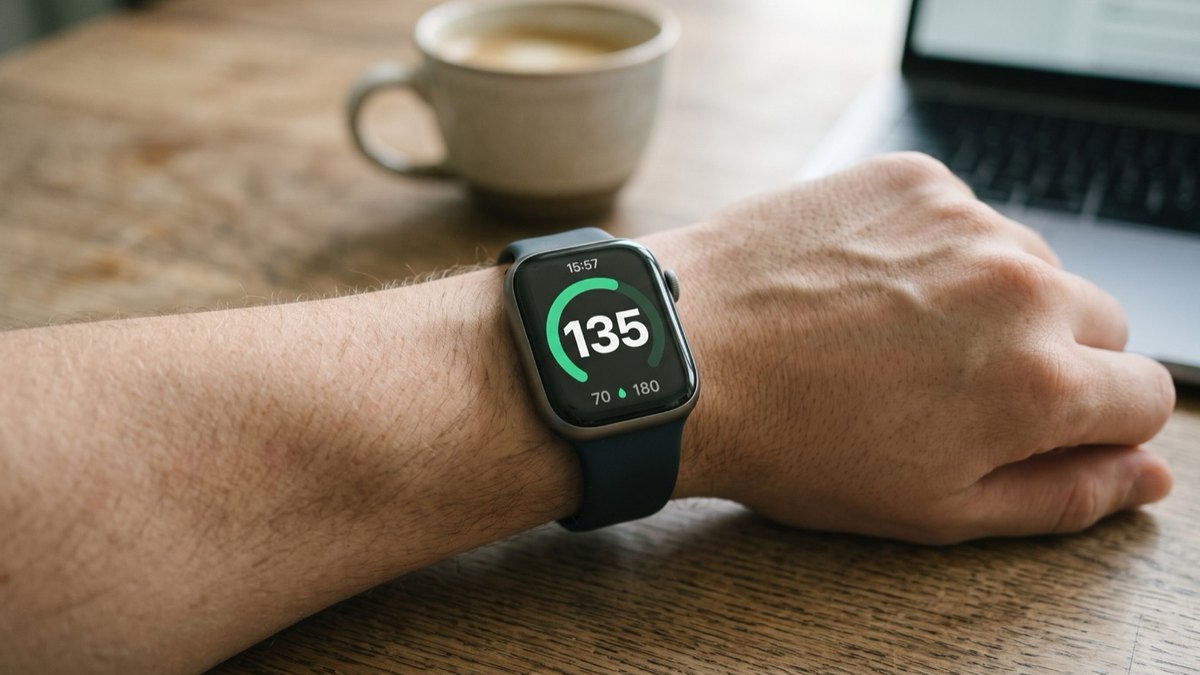 Apple Watch
How to see FreeStyle Libre glucose on Apple Watch
See your Libre reading every time you raise your wrist, on your watch face and in the watch app. Four steps.
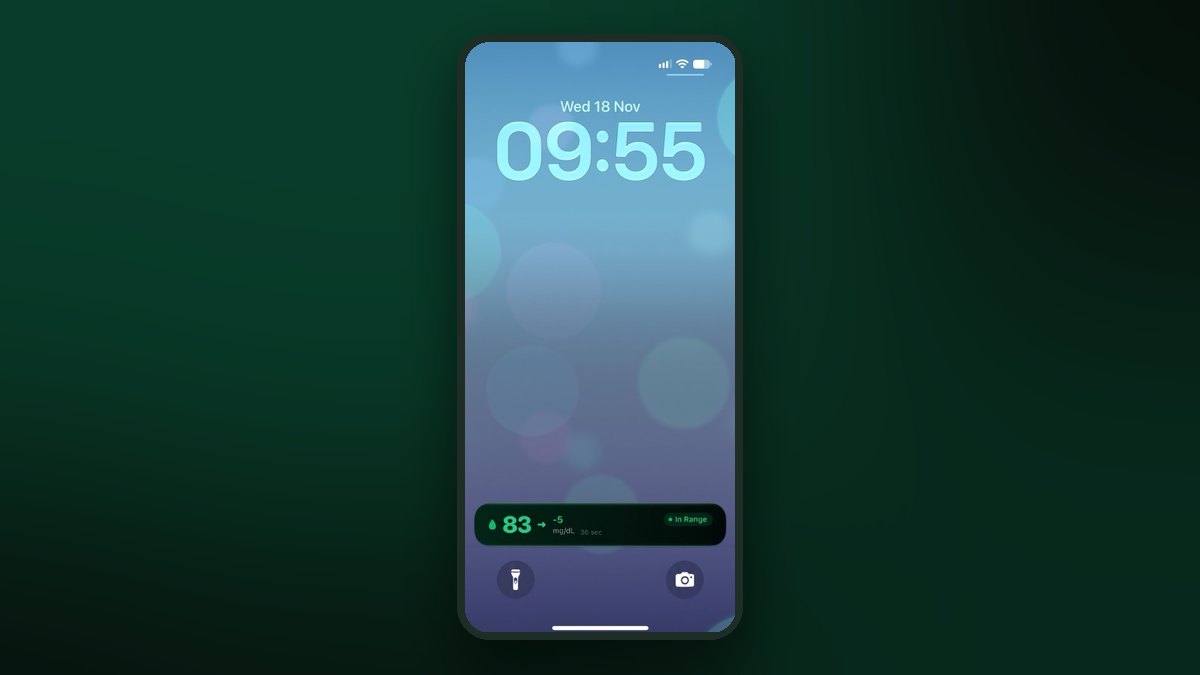 Lock Screen
FreeStyle Libre on the iPhone Lock Screen: widget, Live Activity and StandBy
A Lock Screen widget, a Live Activity, the Dynamic Island and StandBy at night. Step by step for each one.
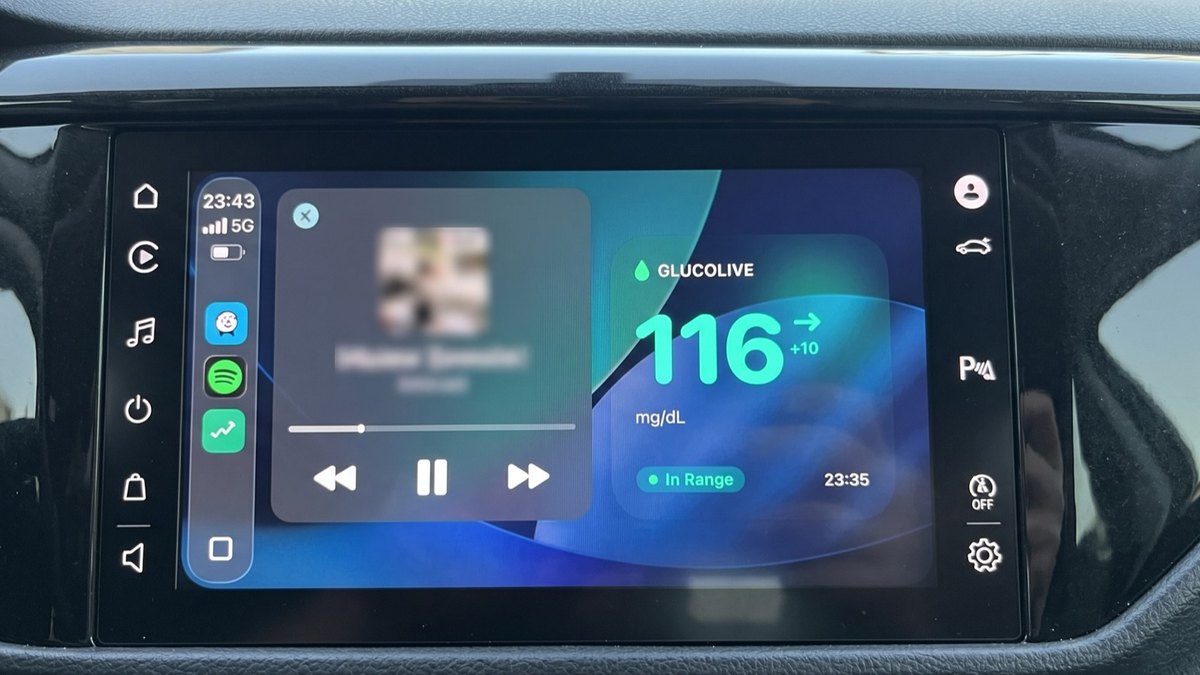 CarPlay
FreeStyle Libre on CarPlay: see your glucose on the car screen
The GlucoLive app, a dashboard widget and the Live Activity next to your map. Set up in three steps.